1
Name the product and the surface
"A ceramic pour-over kettle on seamless white, soft top light, faint contact shadow" is enough. Add "no props, no text" to keep the frame clean.
The last generation gave you one usable frame in ten, then lost the subject the moment you edited it. GPT Image 2.5 holds the text, the detail and the colour steady enough to send the file straight into paid work.
One sentence each, naming the subject, the surface and the light. No retouching after. Judge the model on the eighth one rather than the best one: holding one look across a set is what earlier models could not do.
Run your own promptOUTPUT YOU CAN SHIP
A matte black insulated water bottle on a wet slate ledge at dawn, cap off beside it, a coiled orange climbing rope, a brass compass and two enamel mugs around it, misted valley behind, low side light, no text
THE PROMPT BEHIND THIS RENDER
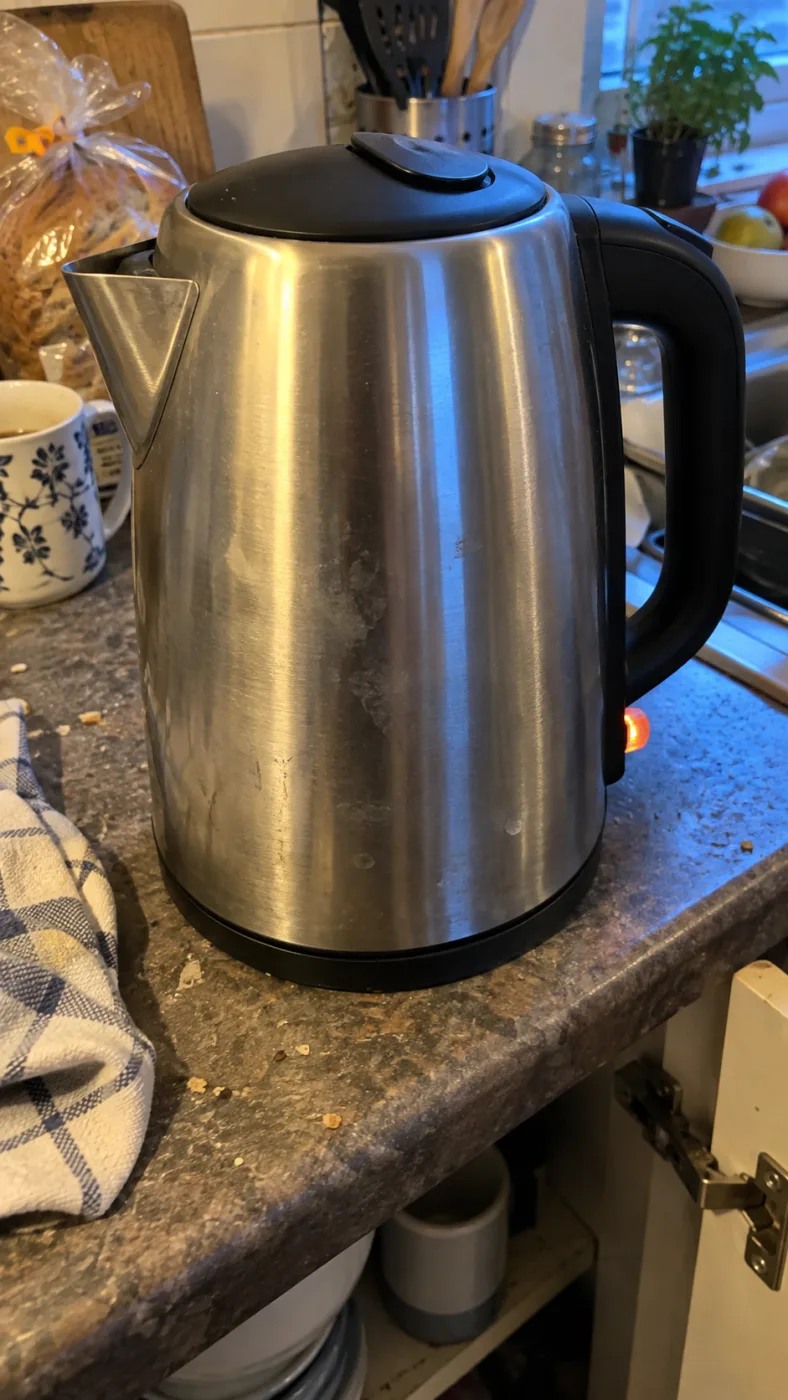
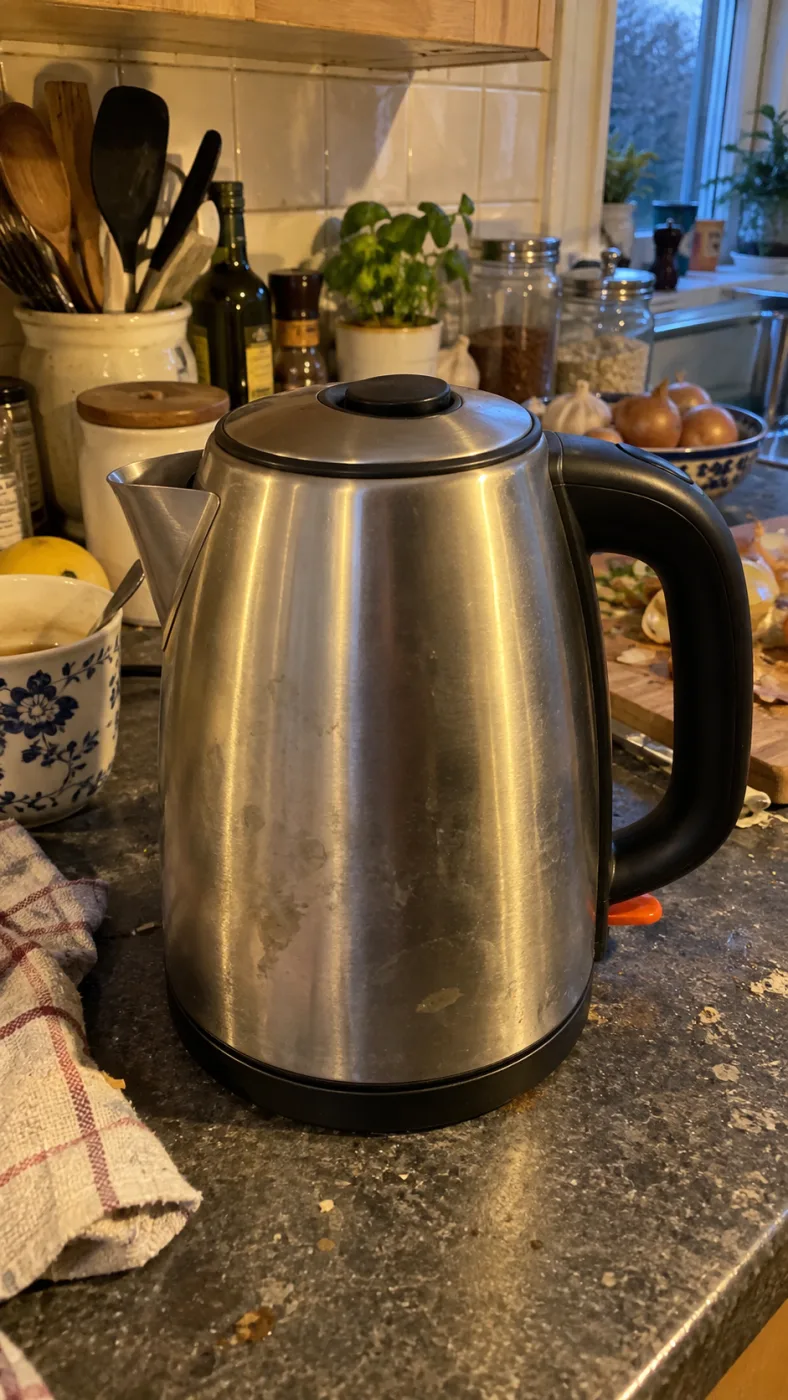
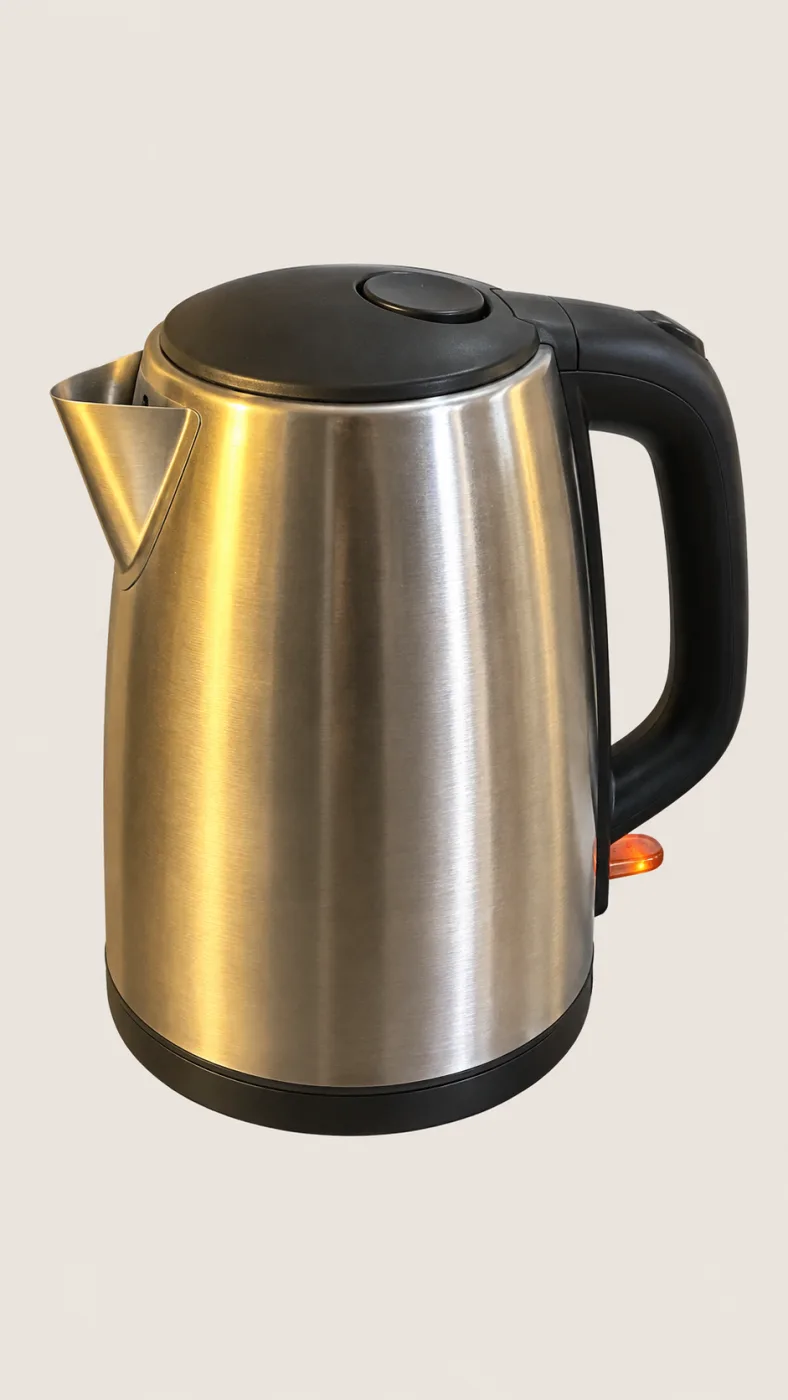
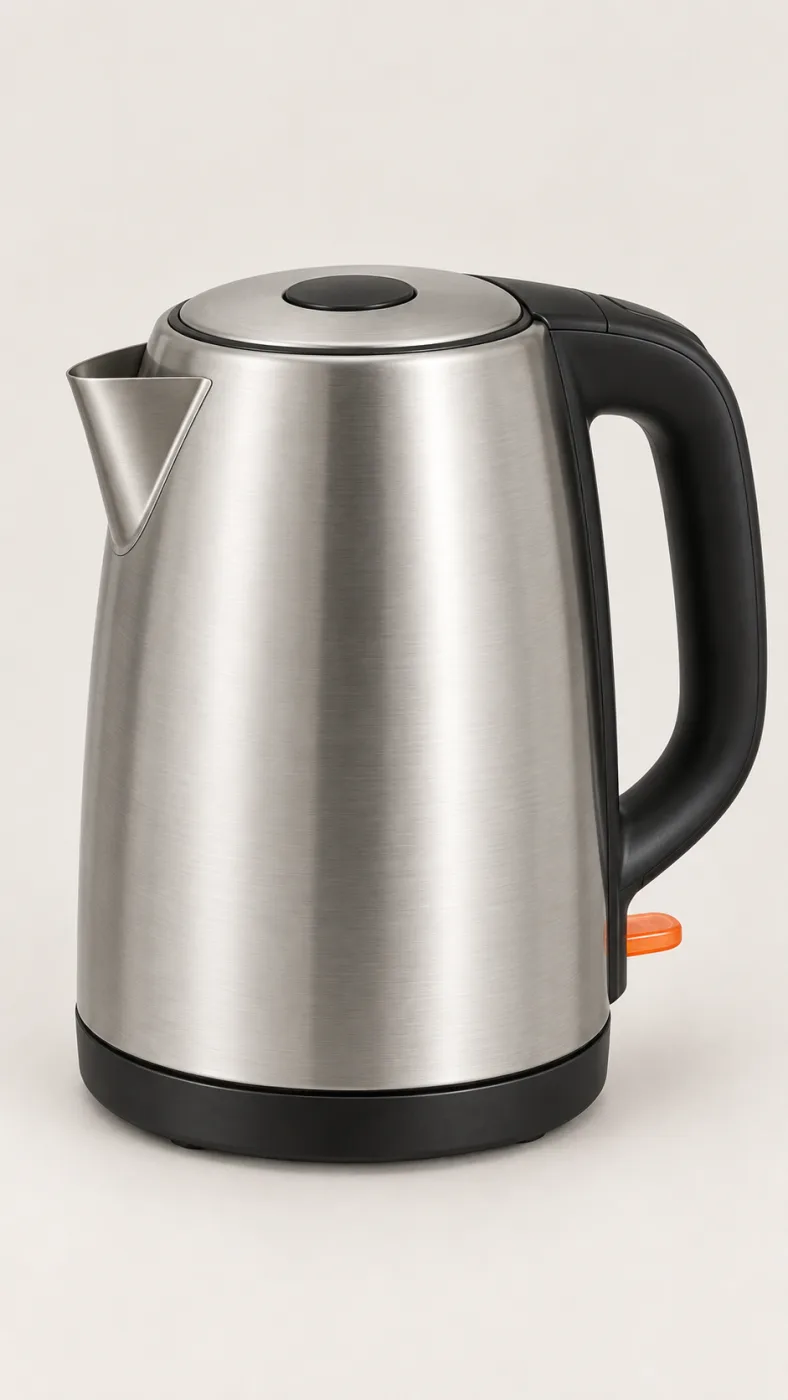
FROM PHONE SHOT TO FINISHED FILE
HOW IT WORKS
The generator at the top of this page is the whole thing. Credits come in at 4K and batches.
1
"A ceramic pour-over kettle on seamless white, soft top light, faint contact shadow" is enough. Add "no props, no text" to keep the frame clean.
2
Square for a grid, 16:9 for a banner, 2160x3840 for a poster. Leave quality on auto the first time.
3
PNG comes down with no watermark and commercial rights. Send it back through editing to fix one detail instead of starting over.
-50%
Latency versus Images 2.0, OpenAI's figure
16
Reference images per prompt, so a set holds one look
4K
Largest render, 3840 x 2160, print size without upscaling
36x
Cost gap between the low and max quality steps
One balance across all 18 image models. No watermark, no tier-locked models, commercial use on every paid plan.
Save 30% billed annually
Pay yearly and save more.
Enough credits to finish a small job each month and try every model on it.
$19.9/mo
Billed yearly at $238.8. Renews yearly, cancel anytime.
Save $120/yr vs monthly
12,000 credits
≈ 857–2400 images, depending on the model
Steady output for a working catalogue, a campaign or a concept board.
$34.9/mo
Billed yearly at $418.8. Renews yearly, cancel anytime.
Save $180/yr vs monthly
24,000 credits
≈ 1714–4800 images, depending on the model
High-volume delivery for stores, brands, studios and agencies.
$62.9/mo
Billed yearly at $754.8. Renews yearly, cancel anytime.
Save $324/yr vs monthly
60,000 credits
≈ 4285–12000 images, depending on the model
Flexible monthly subscription.
Enough credits to finish a small job each month and try every model on it.
$29.9/mo
Renews monthly, cancel anytime.
1,000 credits
≈ 71–200 images, depending on the model
Steady output for a working catalogue, a campaign or a concept board.
$49.9/mo
Renews monthly, cancel anytime.
2,000 credits
≈ 142–400 images, depending on the model
High-volume delivery for stores, brands, studios and agencies.
$89.9/mo
Renews monthly, cancel anytime.
5,000 credits
≈ 357–1000 images, depending on the model
Top up credits valid for 12 months.
One-time top-up — perfect for occasional needs.
$49.9
One-time purchase, valid 12 months.
1,000 credits
≈ 71–200 images, depending on the model
Larger top-up with 20% bonus — best per-credit value for one-time buyers.
$198
One-time purchase, valid 12 months.
4,800 credits
≈ 342–960 images, depending on the model
Bring the shot you actually have to deliver this week, not a test prompt. One account covers every model in the picker.
GPT IMAGE 2.5 IS OPENAI'S MODEL. THIS SITE IS INDEPENDENT AND NOT AFFILIATED WITH OPENAI, SHOPIFY OR AMAZON.
FAQ
Whether the output holds up, what still drifts, and how the credits work.
Email supportGPT Image 2.5 is OpenAI's image model, announced on September 8, 2026 as the follow-up to GPT Image 2. OpenAI describes more natural lighting, richer texture, better preservation of subjects from reference photos, and up to 50% lower generation latency. In ChatGPT it is called ChatGPT Images 2.5; in the API it is two separate models, gpt-image-2.5-flare and gpt-image-2.5-sunburst.
Yes, with one caveat. Three old blockers are mostly gone: text comes out readable, a subject attached as a reference survives into the render, and the same prompt run twice gives two frames that belong in the same set. That is what makes a render deliverable instead of a moodboard image. The caveat is that editing still drifts, so read the answer on that before you commit a whole delivery.
Yes. Every paid plan includes commercial use and nothing you download carries a watermark, which covers advertising, packaging, editorial and marketplace work. Two limits still apply: marketplaces such as Amazon and Shopify require the image to represent the real product, and a recognisable person or trademark in frame needs the same release a photograph would need.
Pre-production is one of its better fits, because that stage wants a consistent look more than a finished frame. Attach a reference set and it holds a character, a wardrobe or a location across concept art, key art comps and storyboard panels. Treat it as art department material, not a final plate: no camera metadata, no layers, no alpha channel.
Yes, that is the most common job here. Upload the phone shot and ask for seamless pure white with a faint contact shadow. Marketplace grids look cleanest when the product fills most of the frame, so say "tight crop" if the first render leaves too much empty space.
No. You can write a prompt on this page and see what comes back without adding a payment method. Credits come in when you ask for 4K, a batch, or the pricier models, and the rate per image is listed in the pricing table.
The picker names it, and today it says GPT Image 2, the newest GPT Image model our upstream provider exposes. The gpt-image-2.5 entries appear in that same picker as soon as the provider adds them, and your credits carry over unchanged.
Mostly, but not pixel for pixel. One published test ran 11 consecutive edits asking only for a label change, and the salt grains, marble veining, bottle reflections and wood grain all shifted along the way. For a catalogue where every SKU has to match what ships, check the product in each render before you upload, and attach references to hold the colour and the logo.
No, the token prices are identical: $5 per million text input tokens, $8 per million image input tokens, and $30 per million image output tokens, for Flare, Sunburst and GPT Image 2 alike. If you read that 2.5 costs twice as much, that comparison used GPT Image 2's batch rate as if it were the standard rate.
Price is the same, so pick by job. Flare is OpenAI's recommended default and runs about 50% faster than Images 2.0, which makes it the one to use while you are still rewriting the prompt. Sunburst is the more capable model for editing precision, so it earns its slower turnaround on the shot that actually goes live.
There is no visible watermark on anything you download. OpenAI does embed two invisible provenance markers: C2PA Content Credentials metadata, which is lost on a screenshot or re-encode, and DeepMind's SynthID, which survives screenshots and resizing. Neither one restricts commercial use, but a marketplace could in principle read them, which is another reason to keep the product itself unmodified.
Yes. gpt image 2.5, gpt-image-2.5, gptimage2.5, gpt image2.5, gpt image 25 and gpt image 2 5 all name the same model. The consumer product is called ChatGPT Images 2.5 and the API name is gpt-image-2.5, so chatgpt image 2.5 and gpt 2.5 image point at it too.
No. MAI-Image-2.5 is Microsoft's model and shares nothing with this one except the version number. If mai-image-2.5 is what you searched for, you want a different model; this page runs OpenAI's GPT Image line.
Four clauses: the product, the surface, the light, the crop. "A brushed steel travel mug on seamless white, soft top light, tight crop" gives the model all four. Add "no props, no text" when it keeps inventing packaging or labels.